%20(Log.png)
Is Your Diet Sabotaging Your Hair? Nutrients Every Woman in Perimenopause Needs
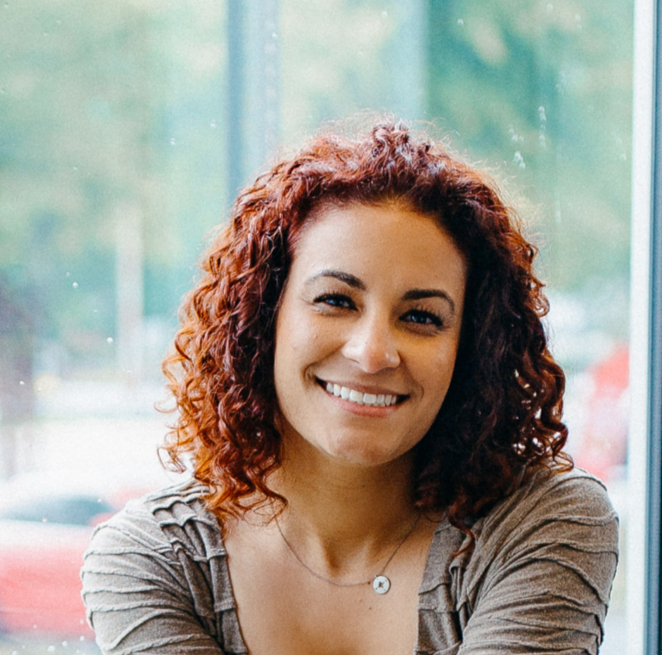

Hair loss in perimenopause isn’t always about hormones alone. In fact, some of the most common causes I see as a trichologist and hair loss specialist in Buford come down to nutrition. When your body doesn’t get the right building blocks, it diverts energy and nutrients to vital organs first. Hair is considered a “non-essential tissue." When the body has bigger problems on the table, hair growth often gets left behind.
The result? Thinning, shedding, weaker strands, and slower regrowth.
The good news? Nutritional hair loss is one of the most correctable types. With the right testing and support, your follicles can bounce back.
Why Perimenopause Increases Risk of Deficiency
During perimenopause, hormone shifts affect more than just mood and cycles. They also impact digestion, absorption, and metabolism. Many women also adjust their diets during this stage (sometimes unintentionally reducing protein or iron), which can further stress the hair growth cycle.
It’s not uncommon for me to see women who have “normal” labs from their doctor but still show scalp signs of nutritional imbalance. Trichology digs deeper, looking at functional levels that support hair health, not just baseline ranges.
The Top Nutrients Linked to Hair Loss
Iron & Ferritin
Ferritin is your iron storage protein, and it’s directly tied to hair growth. Low ferritin means follicles aren’t getting the oxygen they need.
Optimal range: for strong growth (not just “within normal” at 20 to 30).
Signs of low ferritin: Shedding, fatigue, brittle nails, restless legs.
Sources: Lean red meat, beans, spinach, pumpkin seeds.
Vitamin D
Vitamin D plays a critical role in immune regulation and follicle cycling. Deficiency is linked to autoimmune hair loss and diffuse thinning.
Optimal range: again, "within normal" isn't going to keep those follicles thriving
Signs of low D: Low mood, frequent colds, muscle aches.
Sources: Sunshine, salmon, fortified foods, supplements.
B Vitamins (B12, Folate, Biotin)
B vitamins are essential for cellular energy and strand strength.
B12/Folate: Low levels reduce oxygen delivery to follicles.
Biotin: Supports keratin infrastructure (though deficiency is rare unless diet is restrictive).
Sources: Eggs, leafy greens, legumes, whole grains.
Protein
Hair is about 95% keratin, a protein. Without enough dietary protein, follicles simply cannot build new hair efficiently.
Optimal intake: 0.8–1g per pound of body weight during perimenopause for strong hair and muscle support.
Sources: Eggs, chicken, fish, beans, Greek yogurt, protein shakes.
How a Trichologist Tests for Deficiencies
In my Buford practice, I don’t stop at “your labs are normal.” I look at:
Ferritin, vitamin D, B12, folate: Are they at hair-optimal levels, not just minimums?
Diet history: Protein intake, food diversity, restrictive patterns.
Scalp imaging: Follicles that look miniaturized from nutrition vs. DHT-related loss.
Lifestyle factors: Stress, medications, or gut health that affect absorption.
This gives us a whole-picture approach so we can build a plan that nourishes both body and hair.
How to Support Hair Through Nutrition
Add iron-rich foods daily. Pair plant sources with vitamin C for better absorption.
Prioritize protein. Build meals around protein first, then add vegetables, carbs, and fats.
Supplement wisely. Work with a professional to fill gaps without overloading.
Hydrate. Even mild dehydration can reduce follicle activity.
Pair nutrition with scalp treatments. Internal support is powerful, but combining it with professional therapies like Alma TED or growth factors accelerates results.
Why Nutrition Alone Isn’t Always Enough
Correcting deficiencies is crucial, but if hair loss has already been triggered by DHT, stress, or medication, nutrition may not be the only answer. That’s where trichology treatments come in. By pairing nutrition with targeted scalp therapies, we can re-energize follicles from both the inside and the outside.
At Scalp Garden Buford, I help women across Gwinnett County connect the dots between nutrition and hair. For many, this is the missing piece. The reason their “normal” labs haven’t translated to healthy hair.
With guided testing, customized nutrition plans, and professional treatments, we can turn things around.
Your diet can either support or sabotage your hair. During perimenopause, when your body’s needs change, giving your follicles the right nutrition is essential. The best part? Once corrected, nutritional hair loss often shows improvement in just a few months.
If you’re in Buford or Gwinnett County and want to know whether nutrition is holding back your hair, book a Know Your Roots consultation. Together, we’ll uncover what your follicles need to thrive.


Comments