%20(Log.png)
I Have PCOS. Am I Doomed to Have Thin Hair?
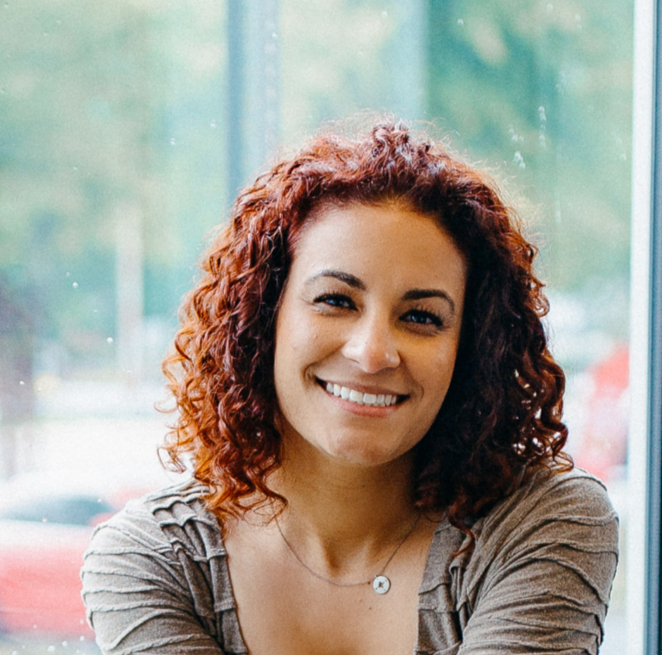

If you’ve been diagnosed with PCOS (polycystic ovary syndrome), chances are you’ve already noticed changes in your hair. Many women with PCOS experience thinning at the crown or along the part line, while others struggle with excess hair growth in unwanted places.
It can feel unfair and many women tell me they feel “doomed” to have thin hair forever. But here’s the truth: PCOS does not mean you’re powerless. Read that again, friend.
With the right strategies, you can protect your follicles and encourage healthier growth.
Why PCOS Affects Hair
PCOS is a hormonal condition marked by higher levels of androgens (male hormones like testosterone). Those androgens get converted into DHT (dihydrotestosterone), a byproduct that shrinks hair follicles in genetically sensitive women.
The result?
Hair follicles in the scalp’s crown and frontal regions miniaturize.
Strands grow in thinner, shorter, and weaker.
Over time, density decreases, creating visible thinning.
This is the same mechanism behind androgenetic alopecia (female pattern hair loss), but in PCOS, it’s amplified by the hormonal environment.
But You’re Not Doomed
Here’s the empowering news: while we can’t “cure” PCOS, we can absolutely manage its effects on your hair. Follicles respond to the environment they live in. When we reduce DHT activity, calm inflammation, and support overall health, many women see significant improvement.
Trichology Approaches for PCOS Hair Loss
At Scalp Garden Buford, I use a multi-layered approach to help women with PCOS protect and restore their hair:
DHT Blockers – Both internal (like targeted supplements) and topical options can help reduce the impact of DHT at the follicle.
Scalp Treatments – Advanced therapies like Alma TED, growth factors, exosomes, and cold plasma strengthen follicles and improve circulation.
Nutritional Support – PCOS often comes with insulin resistance. Balancing blood sugar and supporting nutrients like vitamin D, zinc, and biotin (strategically, not blindly) is key.
Stress Regulation – Cortisol makes androgen imbalance worse, so stress management is crucial.
Collaboration – In some cases, I work alongside your physician or endocrinologist to ensure your systemic care supports your hair goals.
Everyday Habits That Make a Difference
Small daily practices can help too:
Avoid crash dieting — it spikes cortisol and worsens hair loss.
Focus on protein-rich meals to stabilize blood sugar.
Move your body regularly to improve insulin sensitivity.
Use gentle hair care habits (no rough towel drying or harsh brushing).
Sleep well — hormones balance best when your circadian rhythm is steady.
Local Perspective: Buford & Gwinnett
I see many women in Buford and across Gwinnett County who come to me frustrated, saying, “It’s just my PCOS, there’s nothing I can do.” Once we create a plan that targets DHT, nourishes the scalp, and addresses lifestyle habits, their outlook completely shifts.
It’s not about curing PCOS. It’s about empowering you to take control of the parts you can influence so your hair can thrive.
Final Thoughts
PCOS can absolutely contribute to hair thinning, but it doesn’t mean you’re destined for a lifetime of frustration. With trichology care, nutrition, stress management, and the right treatments, you can create an environment where your follicles have the best chance to grow strong and healthy.
If you’re in Buford or Gwinnett and navigating PCOS hair loss, book a Know Your Roots consultation at Scalp Garden Buford. Together, we’ll create a personalized plan that helps you take back control of your hair and your confidence.


Comments